Support Our Cause
Partner
With Us
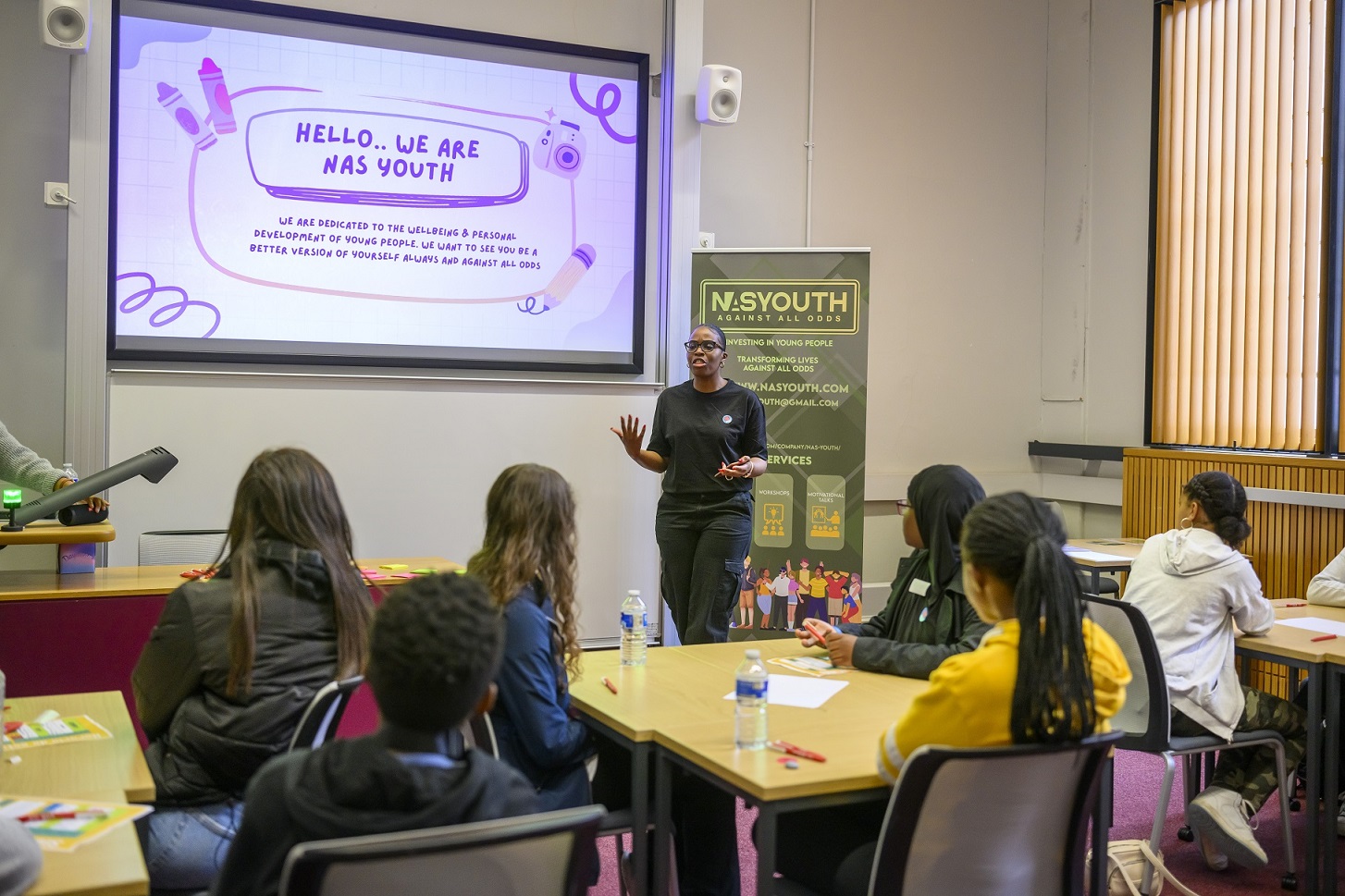
At NASYouth, we know that no single organisation can transform the lives of young people alone. That’s why we work hand-in-hand with schools, local authorities, youth centres, care providers, faith-based organisations, and funders to ensure young people receive the support, guidance, and opportunities they need to thrive.
Why Partner With NASYouth?
Proven Impact:
Targeted Support:
Early Intervention:
Flexible Programmes:
Why focus on well-being?

Who We Work With
Schools & Pupil Referral Units
Youth Centres & Community Hubs
Care Providers & Residential Homes
Youth Justice Services
Faith-Based Organisations
Funders & Grant Providers
How You Can Partner With Us
1. Funding & Grants
2. Programme Collaboration
3. Volunteering & Mentoring
Join our network of mentors and volunteers to provide young people with guidance, support, and positive role models.
4. Strategic Partnerships
Why It Matters
1 in 5 young people aged 8–25 in the UK has a probable mental health condition (NHS, 2023)
Among 17–19 year-olds, it rises to 1 in 4.
Only 1 in 3 receives the support they need.
Looked-after children are four times more likely to experience mental health challenges and up to 72% in residential care struggle with significant issues.
Without intervention, the impact is lifelong—affecting education, employment, and wellbeing. Late intervention also costs the UK around £17 billion annually.
We exist to bridge the gap—reaching young people before crisis takes hold, giving them tools to cope, and creating a pathway to hope, resilience, and opportunity.
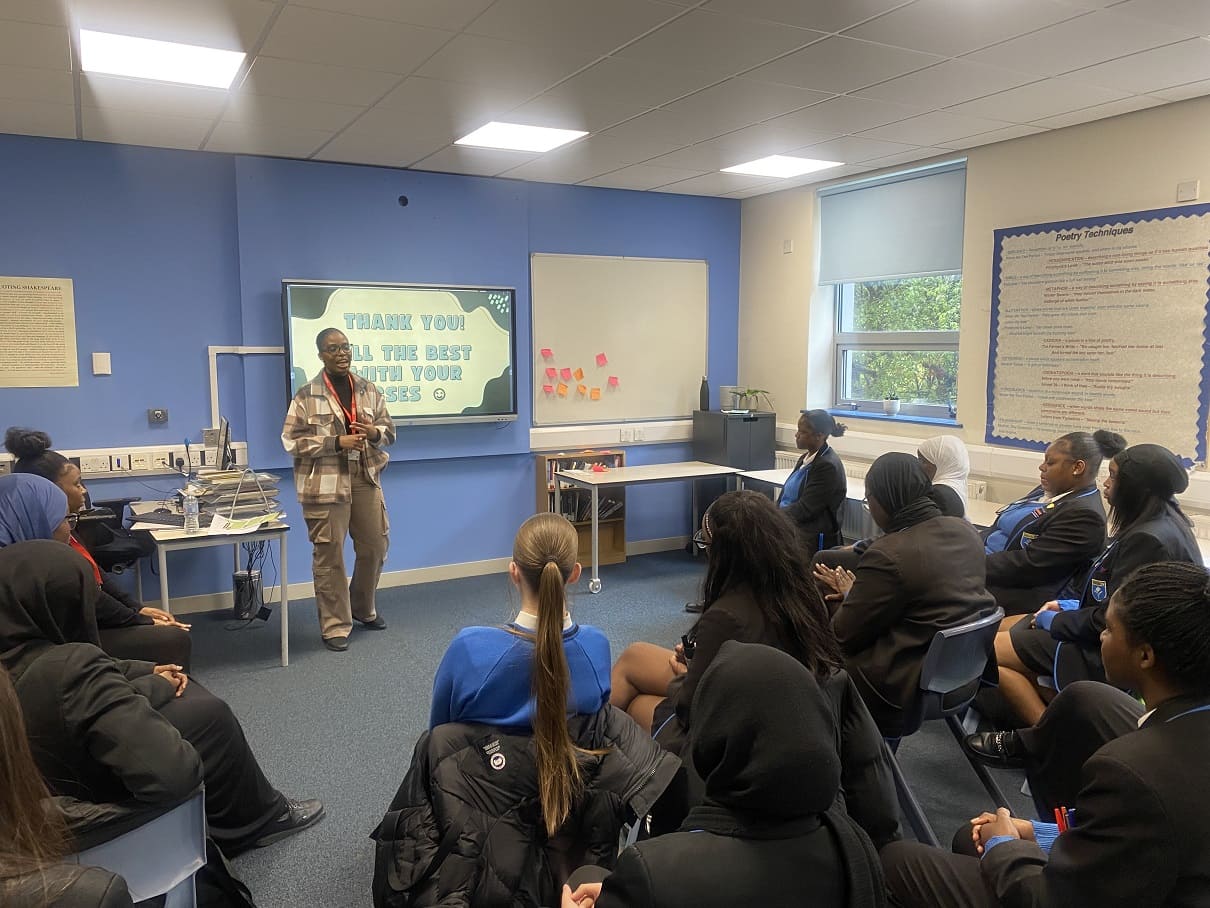
The Impact of Your Partnership
Reduce mental health deterioration and reliance on crisis services
Increase resilience, self-esteem, and emotional wellbeing among young people
Create stronger, safer, and more inclusive communities
Equip young people with life skills, confidence, and future readiness
Let’s Build the Future Together
Get in touch today to discuss partnership opportunities and make a lasting impact.
Why NASYouth Is Essential
Challenge: Rapidly increasing youth mental health needs (e.g., 1 in 5 aged 8–25)
NASYouth Response: Early, accessible, trauma-informed interventions
Challenge: Many lack access to specialist support
Challenge: Disadvantaged youth disproportionately affected
Challenge: Late intervention costs lives and money